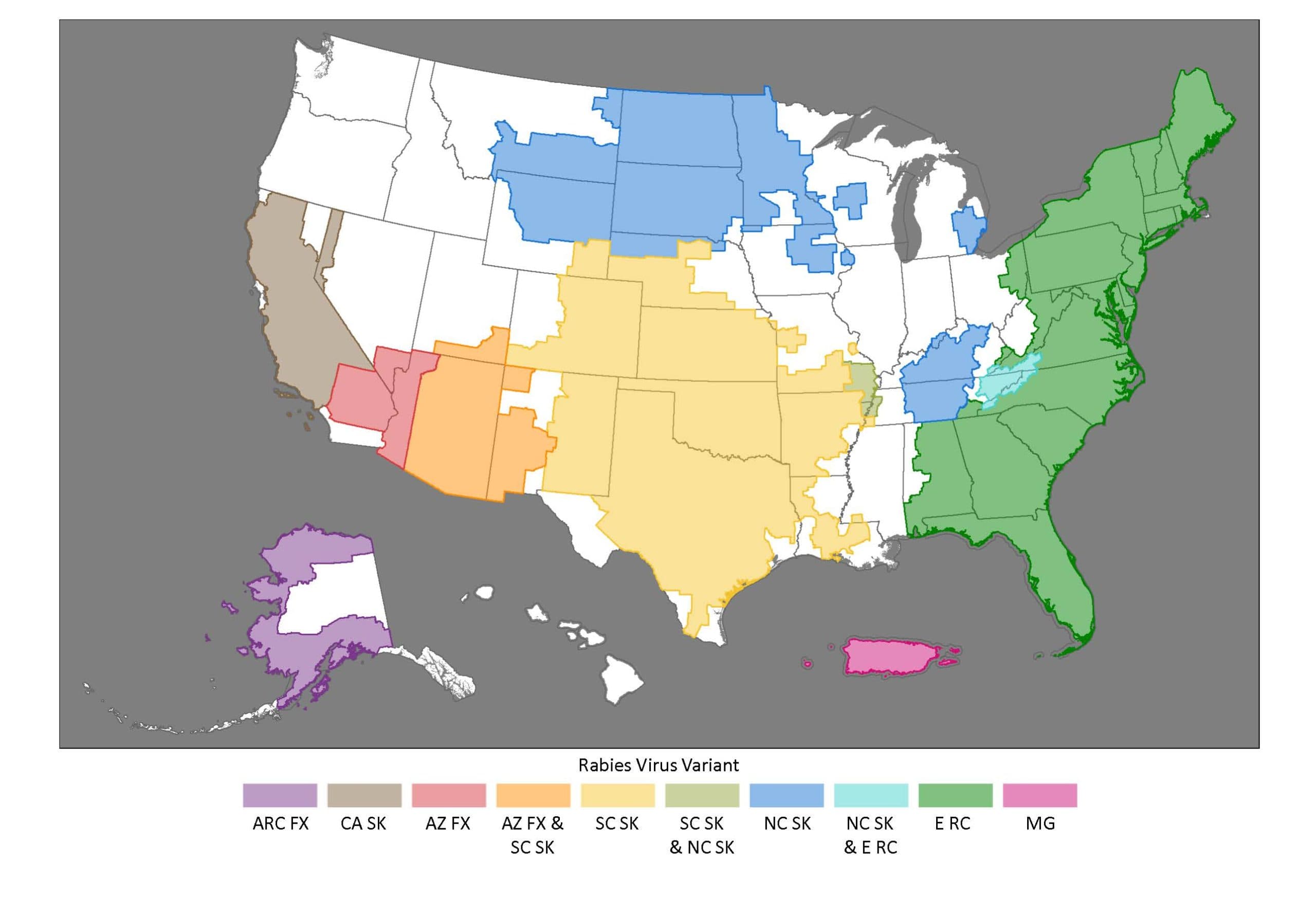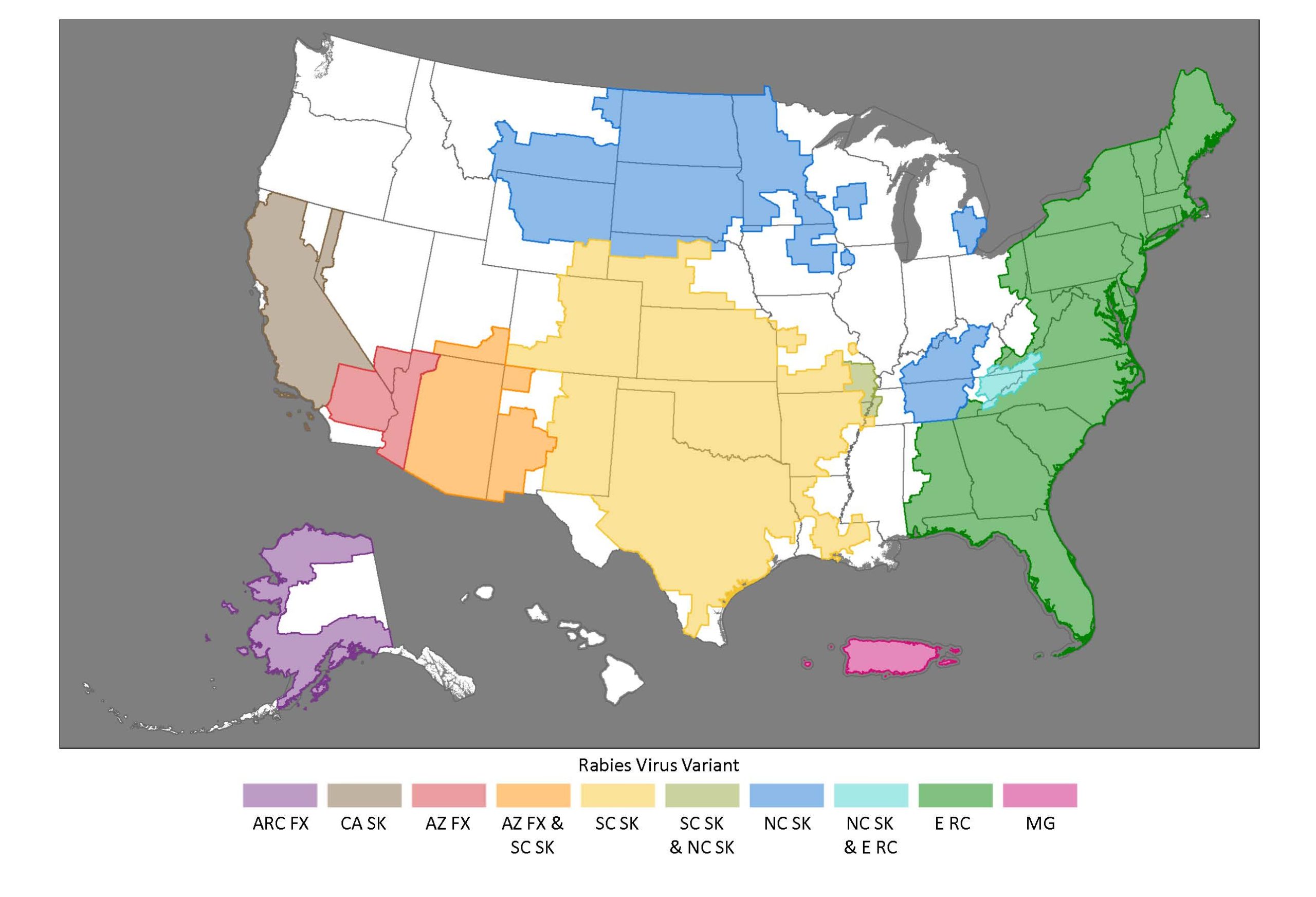
Rabies risk is not evenly distributed, and that simple truth is often what makes planning difficult for families, travelers, and community health workers. Some places report only occasional wildlife-associated events, while others continue to face regular dog-mediated exposures that place children and outdoor workers at greater danger. A useful risk map does more than color regions; it gives context. It helps people understand whether local risk is stable, climbing, or improving, and it reminds users that risk level is a guide for action, not a final medical judgment.
In many cities, the strongest risk predictor is not geography alone but access. Access to routine dog vaccination, emergency wound care, quality surveillance, and community education can shift outcomes dramatically. Two regions may look similar on paper but produce very different results because one has rapid post-exposure care pathways and the other does not. When users view risk areas, they should read each marker as a snapshot of present conditions shaped by health systems, animal population management, reporting quality, and behavior in public spaces where people and animals interact.
High-risk areas are usually linked to a combination of factors: a large population of unvaccinated dogs, delayed clinical care after bites, and weak reporting networks that miss early warning signs. In these settings, fast action matters far more than perfect certainty. If a person has a bite, scratch, or saliva exposure from a suspect animal, the safest response is immediate wound washing and urgent clinical evaluation for post-exposure prophylaxis. Waiting for symptoms is dangerous. Rabies remains one of the clearest examples in medicine where prevention after exposure can save lives when started promptly.
Medium-risk areas can be misunderstood because they may feel "mostly safe" during routine periods. In reality, medium risk calls for disciplined prevention behavior and regular updates. Pet owners should keep vaccination records current, avoid direct contact with unknown animals, and report unusual behavior such as daytime activity in nocturnal wildlife or sudden aggression in domestic animals. Families should teach children not to approach feeding animals, injured strays, or animals trapped in enclosed spaces. These small habits reduce exposure frequency and help health systems focus resources on true emergencies.
Low-risk regions are not no-risk regions. A low classification generally reflects stronger control systems, lower case counts, and better emergency access, but imported cases and wildlife transmission still occur. Travelers returning from high-risk destinations may carry exposure histories that local clinicians need to evaluate quickly. That is why a low-risk label should reassure without creating complacency. The best mindset in low-risk settings is prepared confidence: maintain routine precautions, seek care after meaningful exposure, and stay informed before travel, seasonal migration, or work in wildlife-adjacent environments.
Global trends are moving in two directions at once. On one hand, many countries have reduced dog-mediated human rabies through coordinated vaccination drives, school education, and stronger clinic referral systems. On the other hand, rapid urban growth, climate variability, and gaps in veterinary infrastructure create new pressure points where risk can re-emerge. Communities on city edges are particularly vulnerable because they sit between dense human settlements and animal movement corridors. A map that tracks trends over time helps public health teams prioritize campaigns where prevention can create the largest drop in severe outcomes.
Prevention remains the highest-value intervention across all risk levels. The first layer is animal vaccination and responsible ownership. The second layer is public behavior: do not touch unknown animals, supervise children in areas with free-roaming dogs, and use protective handling protocols in veterinary or rescue settings. The third layer is emergency response: wash wounds with soap and running water for at least fifteen minutes, apply an antiseptic when available, and seek medical care immediately. Together, these layers create a practical safety net that works across cultures, climates, and care systems.
Another important trend is the expansion of One Health practice, where veterinary, environmental, and human health teams share data and act together. Where this model is functioning well, case detection improves, vaccination campaigns are better targeted, and public messaging becomes more consistent. Instead of isolated responses, communities receive integrated support: animal control where needed, vaccine outreach in vulnerable districts, and clearer triage for exposed patients. Risk maps become more accurate under this model because they are informed by multiple data streams rather than one delayed reporting channel.
For individuals, the most practical use of a rabies risk map is to support timely decisions. If your area shows high or rising risk, use that information to reduce optional exposure immediately and to plan where you would go for urgent care. If your area is medium, tighten prevention routines and monitor trend shifts. If your area is low, maintain baseline precautions and stay attentive during travel or animal incidents. The map should help you answer three questions quickly: what is my local risk, what should I do today, and where should I go if exposure happens.
Finally, trust matters. Public confidence improves when maps include transparent sources, clear labels, and plain-language disclaimers that explain limits. A map cannot diagnose disease, predict every event, or replace clinician judgment, but it can reduce delays and confusion. In rabies prevention, reduced delay often means reduced harm. When users understand both the strengths and boundaries of risk data, they are more likely to act early, follow medical advice, and protect people around them. That is the ultimate purpose of this page: informed action, not fear.