
What Happens in the Early Stage of Rabies
After exposure through a bite or scratch, the virus usually does not cause immediate symptoms. During the incubation period, it may travel through nerves toward the brain while the person feels normal.
Because this early phase can seem harmless, many people delay care. When symptoms finally appear, they can be easy to dismiss at first.
Prodromal Phase: The First Days
Once symptoms appear, the prodromal phase typically lasts 2-10 days. Early signs are often non-specific and can be mistaken for flu, anxiety, or psychological stress:
- Tingling, pain, or itching at the original bite site, even if the wound has healed
- Fever, headache, malaise
- Anxiety, agitation, or unusual restlessness
- Sleep disturbance and nightmares
- Difficulty concentrating
- Loss of appetite
The tingling or paraesthesia at the original bite site is one of the most specific early signs and should never be dismissed in someone with a possible past exposure.
Early Symptoms You Should Watch For
1. Fever
A low-grade fever is often one of the first signs and can look like a routine viral illness.
2. Headache
Persistent or unusual headache after a possible exposure should not be ignored.
3. Fatigue and Weakness
General tiredness can appear early and may gradually worsen.
4. Anxiety or Irritability
Some people notice mood changes, restlessness, or unexplained anxiety.
5. Tingling or Pain at the Bite Site
This is a critical warning sign. Burning, tingling, or itching near the wound can suggest nervous system involvement.

How Symptoms Progress Over Time
Hydrophobia (Fear of Water)
As brain involvement increases, swallowing can become difficult and painful, sometimes causing fear of drinking water.
Confusion and Agitation
Mental status changes may include confusion, disorientation, and unusual behavior.

Excessive Salivation
Difficulty swallowing can lead to increased saliva buildup.
Paralysis
Late-stage disease can progress to muscle weakness and paralysis.
Incubation: How Long Until Symptoms Appear
How Long Does It Take for Symptoms to Appear?
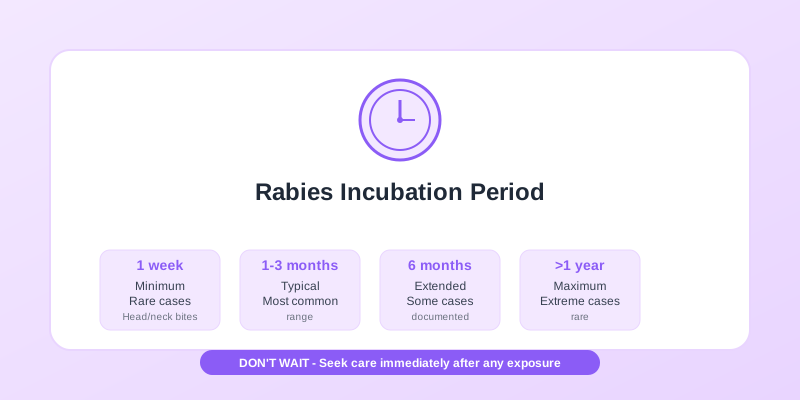
The incubation period varies:
- Most cases: 1 to 3 months
- Some cases: as early as a few days
- Rare cases: more than a year
Timing depends on bite location, exposure severity, and viral load.

The Incubation Period
The time between exposure and the first symptoms is variable — typically 3-12 weeks in humans, but can range from days to more than a year depending on bite location, viral inoculum, and host factors. Bites on the face or neck shorten incubation; bites on the lower limbs allow more time. Critically, post-exposure prophylaxis works during this window — but once symptoms begin, treatment is effectively impossible. See how long does rabies take to show symptoms.
Why Early Recognition Matters and Self-Diagnosis Does Not Work
Once neurological symptoms appear, rabies is nearly always fatal. If PEP is indicated, it should be given before symptoms begin. The practical implication: any concerning symptoms after a known exposure are an emergency requiring immediate hospital evaluation. Do not wait. See what happens if rabies is left untreated.
Why Self-Diagnosis Is Not Reliable
Early rabies symptoms can mimic flu, anxiety, viral encephalitis, and several other illnesses. The only reliable response is medical evaluation paired with the patient's exposure history. Anyone with a known or possible past exposure who develops unexplained fever or behavioural changes should be seen urgently — not waited on to clarify.
What to Do After a Possible Exposure
What Should You Do If You Notice Symptoms?
If you have symptoms after a bite or scratch, especially tingling at the wound site, seek urgent medical attention immediately.
Learn more about what to do after a bite and follow rabies vaccine guidance for prevention decisions.
If you have been bitten, scratched, or had saliva contact with broken skin from a mammal whose rabies status is uncertain, do not wait for symptoms to develop. Wash and flush the wound for about 15 minutes when possible, contact your local health department, and seek PEP. See what to do after a bite and bat exposure: what to do immediately.
How Rabies Can Be Prevented
- Immediate wound washing and flushing for about 15 minutes when possible
- Prompt medical evaluation
- Timely post-exposure prophylaxis when recommended
How Human Symptoms Differ From Dogs and Cats
Rabies in humans follows the same biological pattern as in other mammals — virus travels along peripheral nerves to the brain — but the clinical presentation has human-specific features. Animals typically show a clearer furious-or-paralytic split, while human cases often combine features of both. See how to know if a dog has rabies and how to tell if a cat has rabies for the animal pattern comparison.