
Why an untreated exposure is dangerous
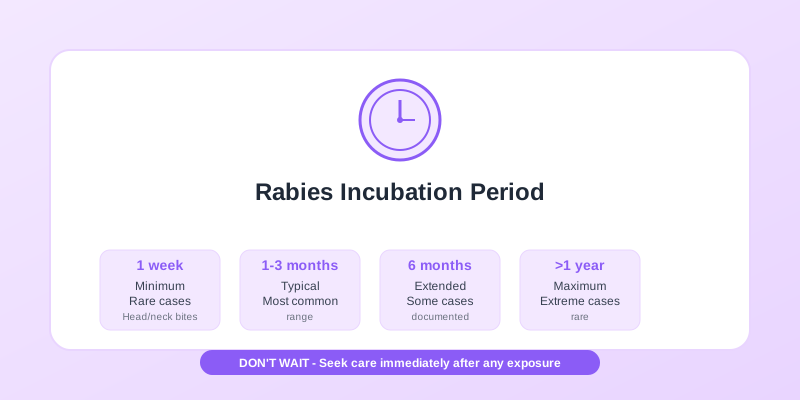
The CDC clinical-features guidance says incubation usually lasts weeks to months. WHO describes 2–3 months as typical, with a reported range from about one week to one year. Feeling normal does not establish that an exposure was safe.
How clinical rabies progresses
Early symptoms can include weakness, discomfort, fever, headache, and unusual sensations at the exposure site. CDC lists anxiety, confusion, agitation, delirium, hallucinations, hydrophobia, hypersalivation, seizures, and paralysis among later features.
CDC says severe brain dysfunction usually develops within about two weeks of the first symptoms and death typically occurs within four weeks. These are clinical summaries, not precise predictions.
Furious and paralytic rabies
The WHO rabies fact sheet describes furious and paralytic forms. WHO describes clinical rabies as fatal in virtually all cases; survival is documented only very rarely and can involve severe neurological deficits.
The prevention window
The CDC PEP guidance describes wound care, vaccine, and HRIG for eligible people. A healthcare professional or public-health authority should decide whether PEP is indicated.
Do not wait for symptoms. Wash wounds and seek prompt assessment. See what to do after a bite.
Separate a possible exposure from a diagnosis
An animal encounter, a possible exposure, and diagnosed clinical rabies are different situations. This article explains why assessment matters; it cannot establish which situation applies to a reader. A professional considers the animal, the type of contact, the location, and the person's medical history. The outcome of that assessment determines the next steps.
A description of advanced disease should not be used to diagnose an early symptom or to decide that a person who feels well can skip advice. If you are concerned about a recent or older incident, explain the incident to a clinician or public-health authority. If symptoms are present, report both the symptoms and the animal-contact history.
What to bring to an exposure assessment
Prepare a short factual account: when and where contact occurred, the animal species, what touched the skin, whether there was a wound, and what cleaning or treatment has already taken place. If you cannot recall a detail, say so. Avoid filling gaps with assumptions about the animal's health or what a wound looked like earlier.
The exposure checklist helps arrange these details for a conversation. It is an information-organizing tool, not a diagnosis or an instruction to start or withhold treatment. Bring prior vaccination documentation and records from any facility already consulted.
Questions to ask when a plan is recommended
- What is the assessment of this particular contact?
- Which treatments are recommended, and where will they be provided?
- Who will arrange any animal testing or observation?
- Who should I contact if I cannot attend a planned visit?
- What records should I keep and share with another treating facility?
Write down the answers or ask for a written discharge plan. If another facility will provide follow-up, ask the first team how records will be transferred. A clear handover avoids having to reconstruct the plan from memory. Do not change appointments or medicines based only on a general article.
Why prevention information and illness information differ
Information about post-exposure care concerns preventing disease after an assessed exposure. Information about clinical rabies describes illness after symptoms have developed. The frightening outcome of clinical disease does not mean that every animal encounter causes rabies, and the existence of preventive treatment does not justify postponing assessment.
For background on the symptom-free interval, see the human rabies incubation guide. Its time ranges are descriptions from public-health sources, not personal deadlines. Use your local health department or a healthcare professional for contact details, then call to establish where an assessment is available.
Keep practical action separate from online searching
It can be difficult to stop reading alarming accounts when an exposure feels uncertain. Make a factual note for the professional and contact an appropriate service. Repeatedly comparing stories cannot establish whether the animal was infected or whether treatment is indicated.
Keep any written instructions from your treating team accessible. Record whom you spoke with and how to reach them again. If instructions from different sources appear to conflict, ask the treating professional or public-health authority to reconcile them for your situation. This page is educational background and does not replace that individual assessment.
When reading a case report, distinguish the person’s diagnosis and documented history from your own circumstances. A published account may omit details important to an individual assessment. It cannot tell you whether your contact qualifies as an exposure. Bring specific questions to a clinician instead of treating similarities in timing or symptoms as evidence that the outcome will be the same. Keep the focus on obtaining an assessment and following the resulting instructions.
Article-specific sources
Sources checked September 16, 2026. This is not a medical-review approval date.